
Spread throughout the suburban sprawl and rural farmland of Roseville, California, a constellation of passionate practitioners of medicine and innovation have combined forces to change special operations forces (SOF) veterans’ lives. Together, they have built out Project Valkyrie, a first-of-its-kind transition program that promotes health optimization while preparing veterans for careers as mission-driven entrepreneurs, executives, or technical experts across a field of industries tied into the Special Operations Association of America’s (SOAA) network.
Seven candidates are currently participating in Project Valkyrie–free of charge–the brainchild of SOAA Chief of Veteran Health Innovation and Partnerships Dr. Ryan Ziegler, whose path to overcoming is the proof of concept of Valkyrie’s future success.
In 2017, Ziegler was sidelined from his SOF career by an injury. The Green Beret medical sergeant and former Air Force Tactical Air Control Party Specialist spent a year in the Warrior Transition Unit, where he struggled with chronic pain, emotional dysregulation, gastrointestinal issues, headaches and migraines, and a feeling of disconnection from his loved ones. Hoping to continue in the medical field but feeling limited by his physical injuries, Ziegler applied to Physician Assistant school.
When he began his PA program, Ziegler knew that he would have to find the cause of his underlying ailment to make it through his rigorous academic load. While undergoing a comprehensive blood panel to investigate often overlooked hormonal and micronutrient imbalances, he uncovered hormone deficiencies that were impacting his ability to function.
Within just two weeks of starting holistic treatments, Ziegler started to realize the benefits of a different kind of care regimen. His grades improved, his physical therapy sessions began to show progress, and Ziegler successfully finished his master’s degree course load.
As a PA, Ziegler eventually worked in multiple medical settings, including the emergency room, a spine surgery clinic, an urgent care, a refugee camp, and a Department of Veterans Affairs primary care clinic. While he enjoyed interacting with individual patients, he also saw the systemic healthcare issues his fellow veterans faced. Ziegler wanted to find another way to give back.
Ziegler said that “lightning struck” when he began to combine his personal healing trajectory with his business acumen, medical expertise, and care for SOF veterans to create a unique program that would support a successful military transition and launch SOF veterans into high-level leadership roles.
Project Valkyrie was born.
Why ‘Project Valkyrie’? In Norse mythology, the Valkyries were responsible for finding elite warriors on the battlefield and taking them to Valhalla, a magnificent palace in the afterlife where warriors found peace and meaning. In Project Valkyrie, SOAA helps SOF warriors transition from the military and reach new levels of performance within the business world.
Project Valkyrie’s two components, The Phoenix Program and Command Stewardship, help veterans reinvigorate their health after service and build up their business acumen.
The Phoenix Program
As the flagship component of Project Valkyrie, the Phoenix Program integrates behavioral health, exercise, and functional medicine to “optimize” veterans for post-service success.
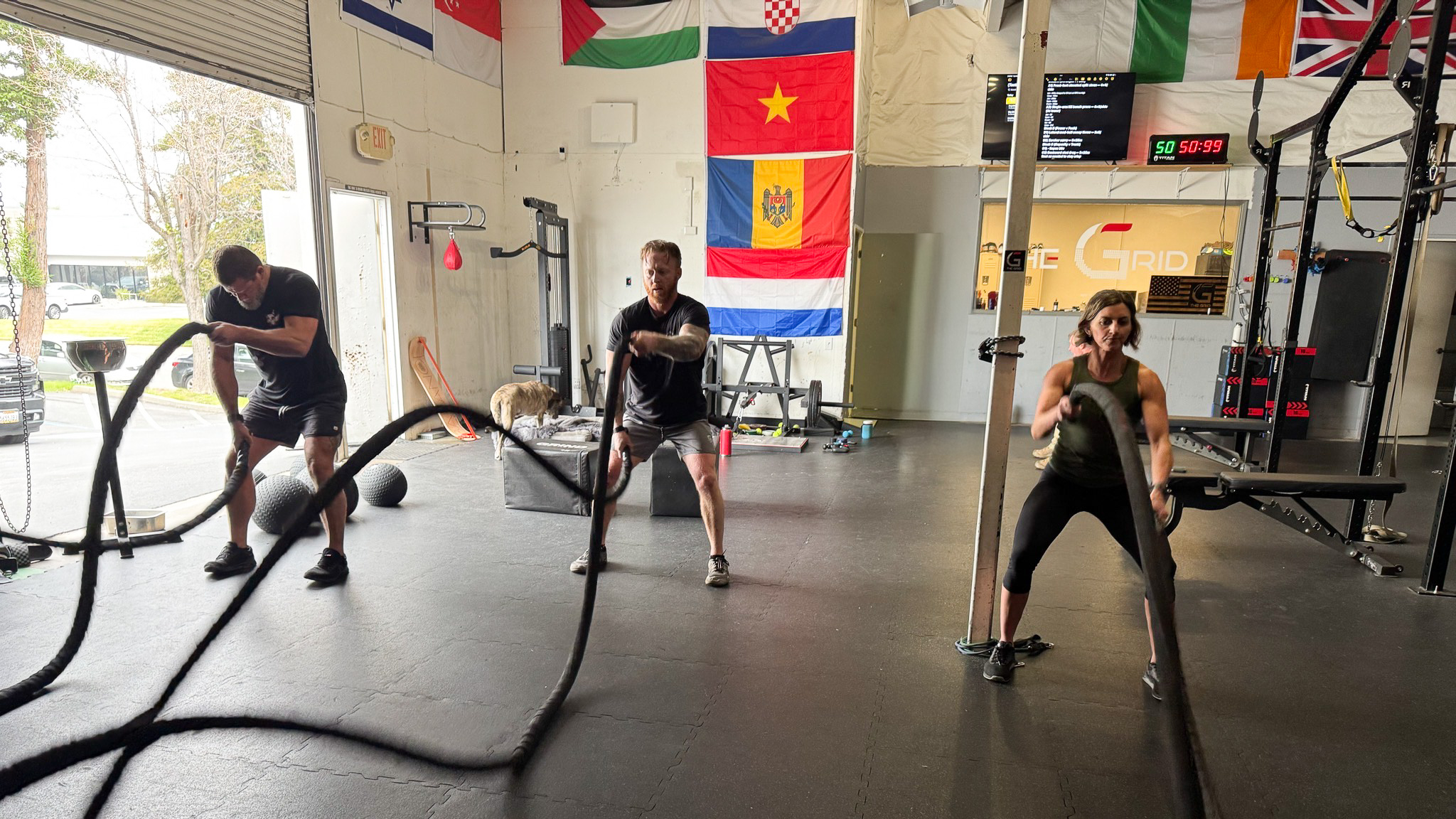
This holistic approach is backed by access to concierge medical care through Jeffrey Topo, PA-C, including quarterly diagnostic labs that ensure participants’ physiological markers and hormonal health remain on a precision track. Complimenting Topo’s medical support is corrective exercise expertise from Joshua Pelzl, a Navy veteran with a passion for helping his clients gain strength that improves their everyday functioning.
A hallmark of the program is its integrated care model. Practitioners currently involved in Project Valkyrie will soon be able to collaborate in real-time to synchronize a participant’s progress through an Electronic Health Record (EHR) system currently being developed by Project Valkyrie subsidiary Ragnar Stack.
For its part, Ziegler expects that the Phoenix Program will eventually be a standalone option for veterans and service members who are looking for tailored and innovative healthcare solutions.
“We aren’t suggesting that someone is broken; we are creating an opportunity to optimize,” Ziegler says. Whether addressing spiritual health, mental resilience, or physical imbalances, the program aims to build a “solid base” before veterans transition into the high-pressure world of executive leadership.
Ziegler explains that internal barriers–whether emotional or physical–directly correlate to a person’s perceived potential. “A core goal of Phoenix is to remove the obstacles that keep people stuck, giving them the clarity to determine their next mission and set their azimuth toward the future they want to build.”
Command Stewardship
In the Command Stewardship program, Project Valkyrie participants receive one-on-one and group coaching and mentorship from successful business leaders to help them “dive deep into” their motivations and discover their direction as they are matched with career opportunities.
Project Valkyrie has three distinct pathways for preparing participants for success: an executive leadership incubator, an apprenticeship program linked into the DOD Skillbridge program, or entry into technical expertise across a range of specialized industries.
For those who are interested in the executive track, Project Valkyrie will pair candidates with roles in established companies as CEOs. Thus far, the companies that Project Valkyrie participants are paired with also give back to the SOF community, making the program “a venture accelerator, but with a social return on investment,” Ziegler said.
“People in our community aren’t given an opportunity to really achieve their highest potential in business,” Ziegler said. “If they are, it’s usually associated with a venture firm that eats their lunch. We’re flipping the script by truly supporting SOF veterans, giving them the tools, foundation, and financial vehicles needed.”
While participants are going through the Phoenix Program, those who are on the founder or executive track will begin to “dive into the work” of taking on the leadership role of their company.
Some participants may decide that a position as a CEO does not suit their future goals. Ziegler said that SOAA’s network of experts across various industries can help participants enter a variety of career fields, from accounting, to programming, to auditing, or even to finding solutions to domestic critical mineral shortages. “We have people in all these different industries, where we can facilitate plugging participants in at a high level,” Ziegler explained.
Future Cohorts
Ziegler began harnessing the capital to launch Project Valkyrie in July 2025, securing the funds to create three unique organizational roles for the initial cadre of candidates.
The first iterations of the technological and health care innovation are taking place within a medical office in a small Auburn business park off the I-80. Upstairs, a yawning, sunlit reception space with bare timber ceilings opens up to a suite of exam rooms that will soon become a medical mecca for SOF personnel looking to improve upon their health. Downstairs, a maze of barebones office spaces constitute the operational hub for the financial and tech-based services that support the leadership growth of current and future candidates in Project Valkyrie.
In the future, Ziegler estimates that Project Valkyrie is “going to be very competitive” as investors come onboard to back new initiatives. He also expects that the program will self-sustain to a degree as future cohorts work through the components. “The idea is that participants cycle back and become the coaches and mentors, because they have lived this experience,” Ziegler said.
Ziegler himself continues to benefit from his involvement with Project Valkyrie, accessing the same tailored healthcare benefits and exercise regimen as candidates, and gaining fulfillment from doing the constant labor of growing the initiative.
While he expands Project Valkyrie around Roseville, he has also begun making connections across the country that will eventually allow the program to spiderweb to new regions. Each node where Valkyrie and Phoenix are taking hold shares one common thread: leadership teams who believe in a transformative pathway that can empower SOF veterans to heal, grow, and achieve their highest potential while making a meaningful impact on society.