
After President Donald Trump signed an executive order on April 18 that will expedite medical research into the effectiveness of psychedelic treatments for use in mental health care, there are many questions across the country about what psychedelics are, and how they can be used to support veterans with post-traumatic stress disorder (PTSD), traumatic brain injury (TBI), depression, and substance dependency.
The Special Operations Association of America (SOAA) has been advocating for increased research into psychedelic-assisted therapies for nearly five years. To clear up misconceptions about these therapies and highlight their utility, we are releasing a series about how various psychedelics work, and their documented effects for veterans.
What is Psilocybin?
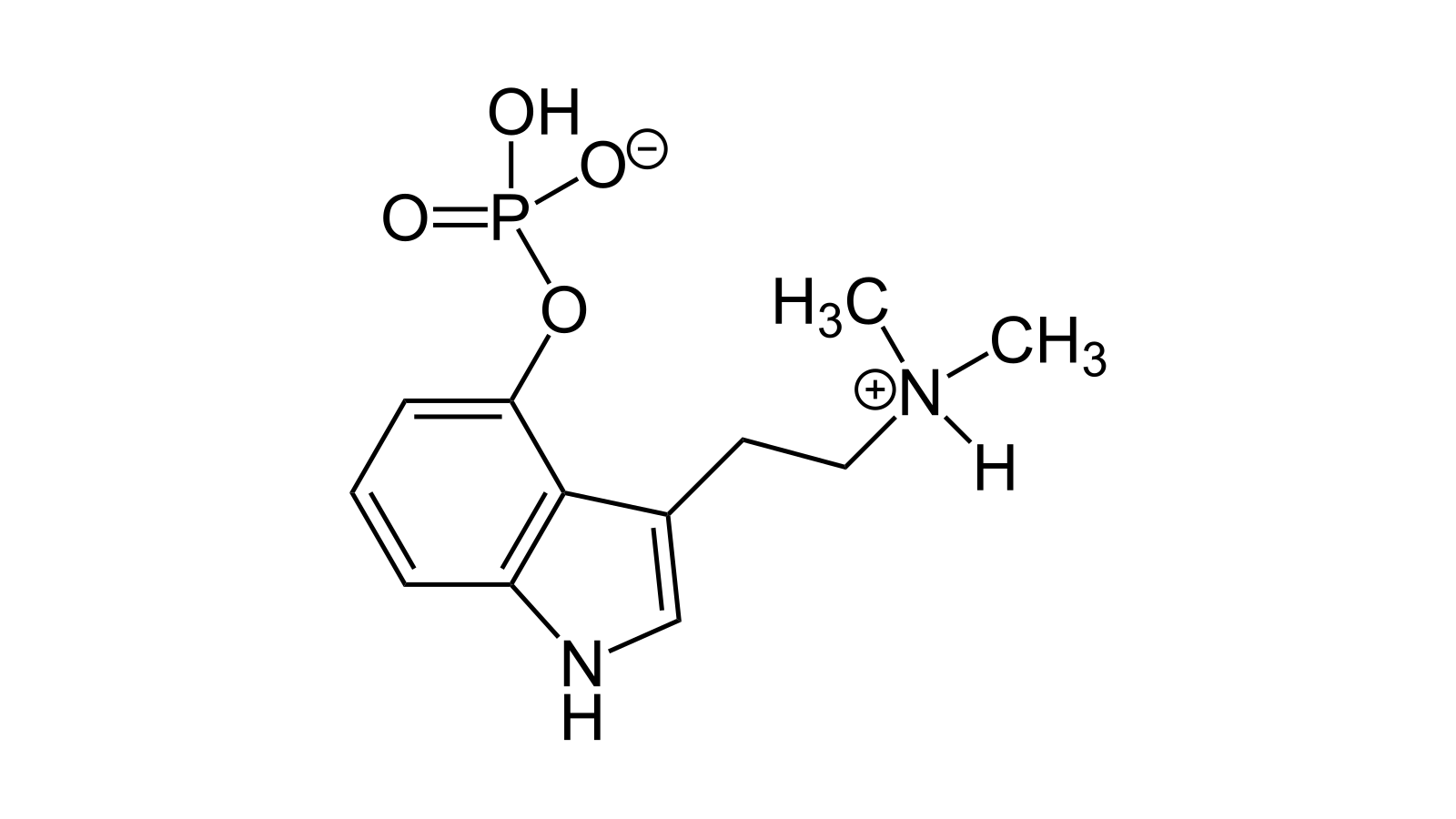
Psilocybin is an ingredient in some mushrooms that is metabolized into psilocyn, the active drug that has hallucinogenic effects for users. For some, effects include feeling blissful, losing one’s sense of ego, perceiving imagined colors, shapes, and sequences, having mental breakthroughs, and experiencing synesthesia, when senses are perceived in combination, like hearing or tasting colors.
In 2018, psilocybin was given breakthrough therapy status for combating treatment-resistant depression. The following year, it received breakthrough therapy status for major depressive disorder. Psilocybin-assisted therapy has also been utilized to support patients with anxiety and substance use disorder.
Because of its ability to diminish fear, impart a sensation of increased connectedness, and induce emotional experiences, researchers believe that psilocybin may be useful in treating PTSD.
Psilocybin’s Legality and Risks
Like most psychedelics, psilocybin is listed as a Schedule I drug with no accepted medical use and a high potential for abuse. The National Center for PTSD, however, notes that psilocybin has “low physiological toxicity” as well as “low abuse potential when orally ingested.”
If a user ingests too much psilocybin, they may experience nausea, vomiting, or “psychotic-like episodes.” If users mistake a psilocybin mushroom for a poisonous mushroom, it can lead to poisoning.
Studying Psilocybin
Johns Hopkins University released a landmark report on psilocubin’s use in 2006, finding that “giving a single dose of psilocybin to healthy participants produced experiences that had substantial and sustained personal meaning.”
SOAA Chief of Veteran Health Innovation and Partnerships Dr. Ryan Ziegler says that since Johns Hopkins’ “groundbreaking” report, there has been “exponential growth” in research into psilocybin’s effects.
As of July 2025, Compass Pathways was seeking FDA approval in its third phase of trials on the use of synthetic psilocybin for treatment-resistant depression. Researchers hoped that by using synthetic psilocybin, which offers uniform consistency and potency compared with naturally-derived psilocybin, that they would more easily gain FDA buy-in for their study.
In April, Dr. Sue Sisley launched the first FDA-approved trials for whole-mushroom psilocybin in Arizona. Over 800 veterans, law enforcement personnel, and firefighters requested one of the study’s 24 openings. A senior SOAA executive was able to take part in the trial.
Sisley shared some of the results from the first phase of the trial, which involved eight firefighter participants. Not only were participants’ functional disruption, anxiety, pain, and depression symptoms decreased, but their “self-reported psychosocial-spiritual well-being” improved between initial screening and Day 30.
During the trial, there were no serious adverse events for participants. Tachycardia, hypertension, nausea, headache, and dizziness were reported, but other “adverse events” included crying, laughing, and yawning.
Sisley’s team hopes to continue conducting trials for greater numbers of first responders, service members, and veterans as the presidential Executive Order opens new pathways for funding and research.
SOAA’s Psychedelics Expert’s Take
Dr. Ziegler has followed psychedelic research and treatment closely, and hopes to expand access to treatments for participants in SOAA’s new transition and healthcare initiative, Project Valkyrie.
According to Ziegler, Sisley’s FDA-approved whole-mushroom psilocybin study is especially important because “there’s more and more evidence that the alkaloids within the psychedelic mushrooms work synergistically with the psilocybin to have a compounding beneficial effect. If you look at the other studies in the past, they use psilocybin that has been isolated.”
Ziegler says that psilocybin can induce neuroplasticity that allows the brain to generate new connections. As with other psychedelics, Ziegler advocates for its use only in a supervised treatment setting.