
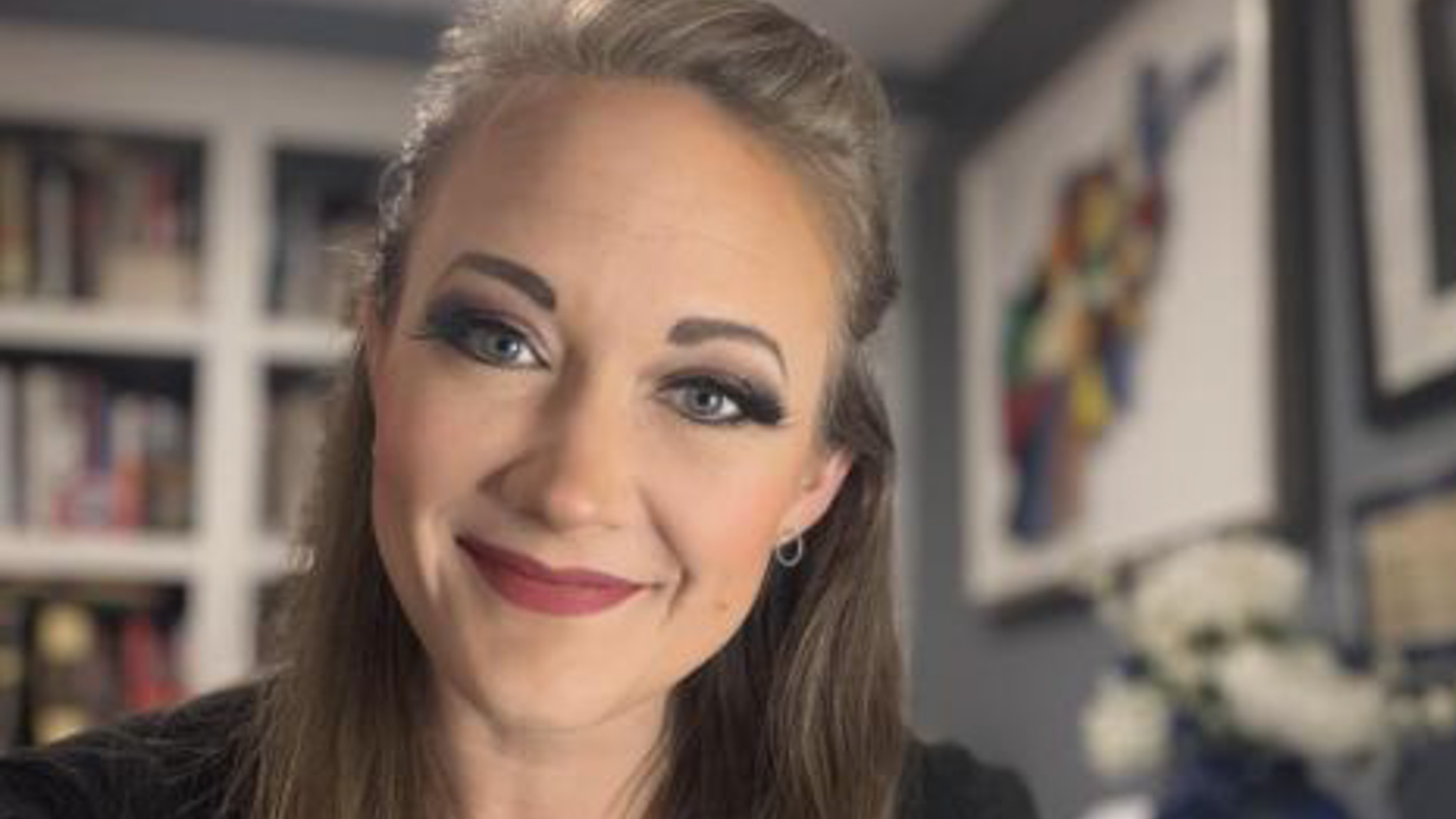
An introduction to SOAA team member, Beth Bailey. Staff writer at SOAA, and principle storyteller:
As the staff writer here at SOAA, my role is to remain behind the proverbial curtain, telling the important stories of operators and intelligence professionals whose work keeps our country safe and informing our readers about important policy and world developments that impact the special operations forces (SOF) community.
Today, I’m stepping out from behind that curtain to introduce myself and explain why I feel so compelled to be part of the SOAA team. I also hope that this serves as a heartfelt, personal request to our readers that you consider sharing your own stories on our blog to elevate the experiences of the men and women whose work at the tip of the spear often goes unreported.
While my resume might fool you into believing that I am a journalist, writing for outlets like Fox News Digital, Reason, and the Washington Examiner, my true calling is as a storyteller.
I learned the art from my naval aviator father. On the best nights of my childhood, after dinner was over and the plates were clean but uncleared from our large dining room table, my dad would often delight my sister and I with the well-honed tales of his childhood. Ever a rule-follower myself, I particularly loved to hear about the mischief my father honchoed in the most mind boggling environments. At first terrorizing private Catholic school classrooms, my dad eventually brought his love of pranks and explosives to the hallowed halls of the U.S. Naval Academy. His penchant for breaking the rules nearly kept my father from graduating with the Class of 1978; during his final Academy semester, Midshipman Glen Wheless accomplished the dubious honor of earning a Black N, achieving the maximum quantity of demerits allowed before being considered for expulsion.
Balancing out his trouble-making tendencies was my dad’s burning desire to fly jets. He began pursuing the dream as a teenager, learning to fly a plane over the skies of Clearwater, Florida before ever achieving a driver’s license. Luckily for Glen, he not only excelled in manufacturing toothpaste bombs, but also was accomplished in his course work. He did so well, in fact, that his mentors at the Naval Academy suggested that he would be an excellent candidate for life aboard a submarine. My dad, as politely as he could, told those mentors to go to Hell because he had only made his way to the Academy so that he could fly fighters.
After graduating, Glen, call sign ‘Wheels,’ was trained as a radar intercept officer (RIO) in the F-14 Tomcat. The aviators who were part of my dad’s tight circle of hellions became my ‘uncles,’ their frequent presence offering me thrilling access to stories about flying and a full view of the inimitable, unapologetic zest that aviators have for truly living life.
Whether he intended to teach me to tell stories or not, there was one lesson my dad actively sought to instill within me, informing me early and often that it is the duty of every American to give back to their country. I knew from a young age that military service was not in my future, but I found one path to giving back when I became a civilian intelligence analyst for the Department of the Army in 2010.
Producing assessments designed to keep our warfighters safe was rewarding, but my deeper calling was revealed shortly after I left the intelligence community. While working on a war novel about surge-era Afghanistan, I began reaching out to veterans for insights about a country I had never stepped foot in. In the process, I became privy to incredible tales of their victories and failures, and I witnessed the emotional turmoil they faced as they lost companions to suicide and fought for care at the Department of Veterans Affairs. I also saw the sometimes excruciating pain they experienced as the Afghan districts where they fought and lost friends began falling to the Taliban enemy.
Soon, it seemed that everywhere I went I ran into veterans who were eager to talk about their service. Every interaction felt so sacred and meaningful that I was contemplating turning the growing body of stories into a short book. Then I had the most impactful encounter of all. At a coffee shop inside a Richmond, Va. hotel, a manager with a discernible limp stopped me to inquire about my t-shirt, which was emblazoned with the Operation Ward 57 logo, “For the Wounded, the Fight Never Ends”.
Though the man never introduced himself by name, over the next twenty minutes, we talked about his service. He shared intimate revelations about his education at West Point and his participation in the Battle of Panama that he told me he had never revealed to his wife or children. Before he left, he explained through tears about his ongoing struggles to define the character of God and his failure to manage the guilt he felt about his wartime actions. When he abruptly composed himself and began walking away, I stopped him to thank him for his honesty. As he limped out of the coffee shop, my heart was wrung out from witnessing the unvarnished battles of a stranger’s soul, but also heavily grateful for the privilege of hearing his story.
Though I had no transcript of that interaction, it carved itself into my physical memory in such a way that I was able to pour it all onto paper soon after I returned home. That conversation settled my internal debate. I knew that I wanted to make more than a book; I wanted to make a life of translating veterans’ most difficult experiences into the written word. If I told their stories in compelling enough prose, I hoped that the veterans who read along might find comfort in the words and that civilians would gain a richer understanding of the veteran experience.
Eventually, I found a way to do just that when I broke into editorial writing in 2018 with a Detroit News opinion piece exhorting civilians to ask veterans about their service rather than offering up an overused and vague “thank you for your service” on obligatory (and often not on the correct) federal holidays.
Raising awareness of veterans’ issues and telling stories of service and struggle launched each of my subsequent career journeys. Writing about the service members and veterans fighting to get their Afghan interpreters out of Afghanistan during the leadup to the 2021 U.S. withdrawal sucked me into the vacuum of post-withdrawal Afghanistan, spawning my podcast, The Afghanistan Project, and hundreds of thousands of words of media coverage.
My love for hearing my father’s aviation stories led me to write a story that became the title of my second podcast, The Fighter Pilots’ Guide to Living, where my cohost, F/A-18 Weapons System Operator Mitch Parmentier and I interview aviators about their service and the life lessons they took away from high-altitude careers.
Coming aboard at SOAA offered a new challenge: how to highlight the stories and experiences of operators, while also protecting tradecraft, personal identities, and mission specifics that might risk national security.
In just a few months as the staff writer, I have gained expertise from our broad stable of SOF experts about the various ways this incredible community is constantly and quietly engaged in keeping Americans safe from foreign threats. I have also been overwhelmed with gratitude to have the opportunity to weave together all my passions, talking to operators about their ongoing support for their Afghan counterparts, hearing from veterans about the tools they use to support their mental health, learning more about how overpressure exposure has impacted operators’ lives, and my current longform undertaking: illuminating an incredible and little-known historical instance in 2001 Afghanistan when Naval aviators shifted tactics in support of Green Berets as they fought against the Taliban with their Northern Alliance counterparts.
I look forward to continuing to elevate the ground truth from our practitioners and operators in the field in addition to telling impactful stories from the SOF community.
If you have a story that deserves to be told, you can always reach out at [email protected]. I’d be honored to help you share it.