
After President Donald Trump signed an executive order on April 18 that will expedite medical research into the effectiveness of psychedelic treatments for use in mental health care, there are many questions across the country about what psychedelics are, and how they can be used to support veterans with post-traumatic stress disorder, traumatic brain injury, depression, and substance dependency. One of those such treatment options is the use of the plant-based drug, ibogaine.
The Special Operations Association of America has been advocating for increased research into psychedelics for nearly five years. To clear up misconceptions about these drugs and highlight their utility, we are releasing a series about how various psychedelics and alternative treatments work, and their documented effects for veterans.
What is Ibogaine?
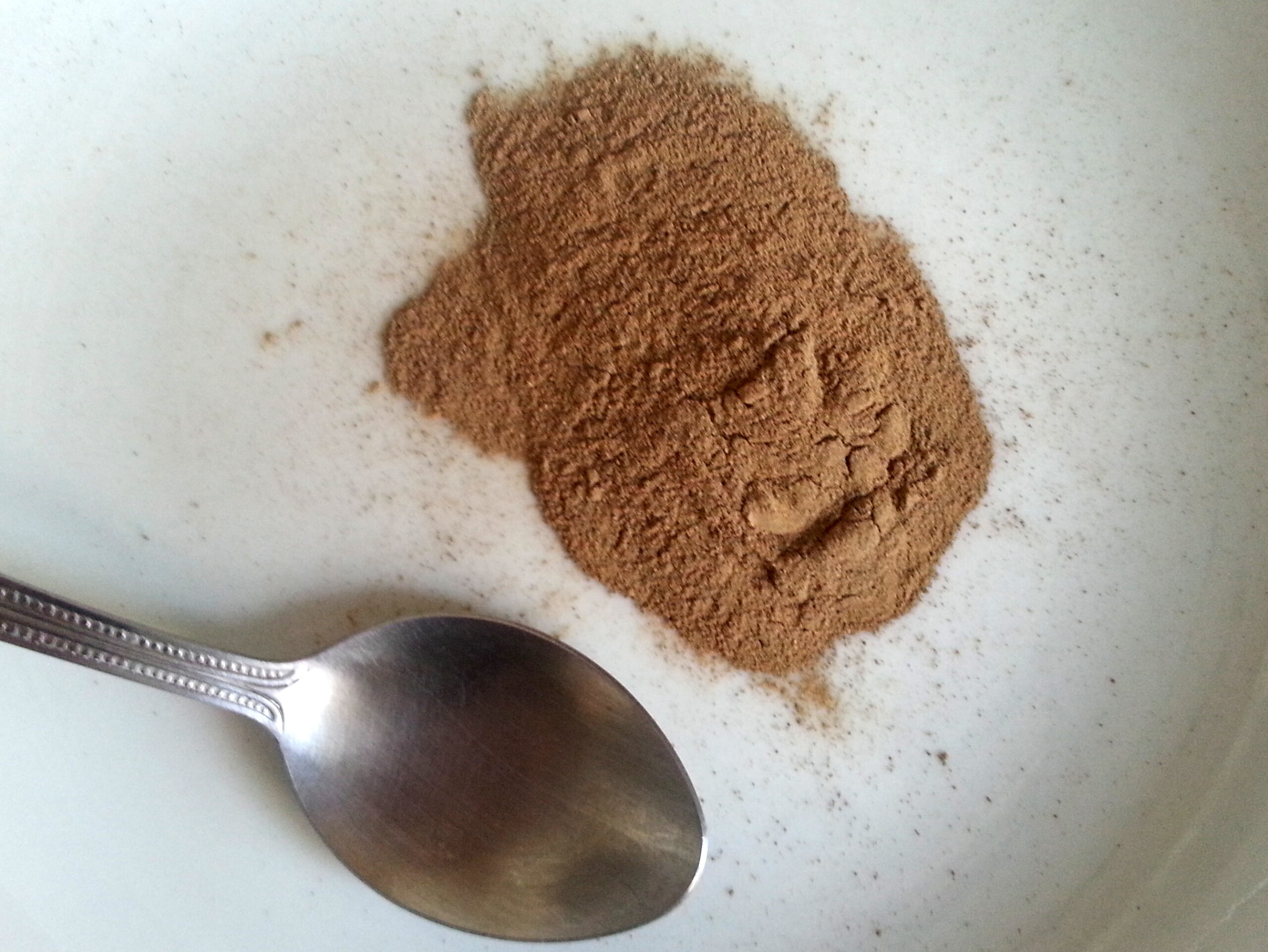
One of the most widely-discussed psychedelics, ibogaine, is a psychoactive alkaloid that comes from the root of Central American shrub Tabernanthe iboga. In addition to its hallucinogenic properties, ibogaine may be used to treat substance use disorders because research has shown it “mitigates drug-seeking behavior by preventing craving and withdrawal,” according to the University of Virginia.
At least one study has demonstrated the drug’s promise in managing severe neuropathic pain, while ibogaine derivatives have been able to alleviate chronic and acute pain.
Ibogaine is the only psychedelic specifically mentioned within the president’s executive order, which directs that “the FDA and Drug Enforcement Administration shall facilitate and establish a pathway for eligible patients to access psychedelic drugs, including ibogaine compounds, under the Right to Try Act (21 U.S.C. 360bbb-0a), including any necessary Schedule I handling authorizations for treating physicians and researchers, consistent with 21 U.S.C. 823, and any applicable waiver authority under the Controlled Substances Act.”

Stanford Medicine’s Study of ibogaine treatments with Special Operations Veterans
In January 2024, Stanford Medicine conducted a study with VETS, Inc. in Mexico with 30 special operations veterans who had a history of TBI and exposure to blasts during their careers.
The study found that ibogaine was effective for improving function impacted by TBI as well as reducing PTSD, depression, and anxiety. Effects of treatment were reportedly immediate, and lasted for the entire duration of the month-long study. Veterans’ average disability rating of 30.2, denoting “mild to moderate disability” was reduced to 5.1, “indicating no disability.” Over one month, participants’ PTSD symptoms were reduced by 88%, depression symptoms were reduced by 87%, and anxiety symptoms were reduced by 81%.
Is Ibogaine’s Legal?
Like all psychedelics, ibogaine is currently a Schedule I drug. It is illegal in the U.S. but can be accessed through clinics abroad, including in Canada and Mexico.
Use of ibogaine is not without risks. The drug can cause cardiotoxicity, especially “at the high doses used to treat substance dependence,” UVA reports. Ventricular dysrhythmias, hypotension, and bradycardia have been reported during studies, and seizures have been reported at even low dose administration of the drug. More common side effects include vomiting and nausea, or having a “bad trip,” which could have “unwanted psychologic effects.”
In the Stanford Medicine trial, participants were given magnesium to control cardiac side effects.
SOAA’s Psychedelics Expert’s Take on Ibogaine
SOAA Director of Strategic Partnerships Dr. Ryan Ziegler has followed psychedelic research and treatment closely, and hopes to expand access to treatments for participants in SOAA’s new transition and healthcare initiative, Project Valkyrie.
He says that “the most pronounced response to ibogaine” he witnessed came from “a retired special operations operator that had a serious opioid addiction,” eventually taking more than five times a typical oxycodone dose per day after sustaining serious injuries in combat. Ziegler reports that the veteran “had zero withdrawals” and was effectively “reset” after a single dose of ibogaine.
Ziegler says that “while much of the focus on Ibogaine is pointed at the veteran population, more research is needed in other populations to better understand its real potential as a therapeutic.”