
Could recycling dated office equipment hold the key to alleviating important national security challenges? Mender co-founder and CEO Kent Taggart certainly thinks so.
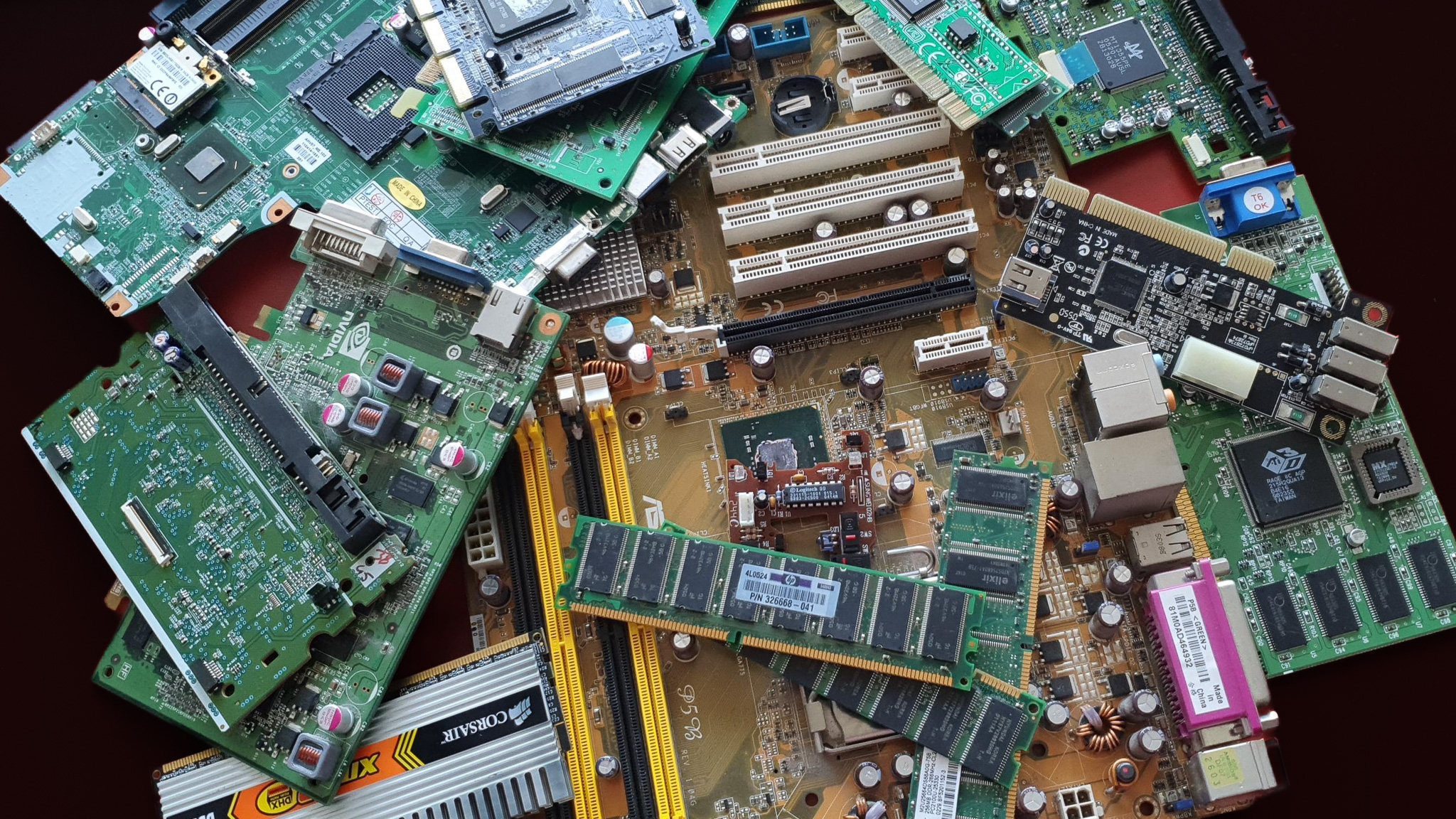
Mender works with enterprise and institutional clients to responsibly remarket and recycle their used electronic equipment. After retrieving desktop computers, laptops, servers, and cell phones that a company is phasing out, mender wipes hard drives and audits each item’s continued usability. Taggart says that the majority of the equipment Mender receives can be refurbished and resold, depending on age, condition, and client policy. The remaining portion is broken into like-materials for recycling so that it can reenter the manufacturing cycle.
Many recyclable outputs generated from the IT Asset Disposition (ITAD) industry are initially processed domestically, but the resulting raw commodities containing gold, silver, copper, palladium, platinum, and cobalt are often sent to downstream facilities internationally where they are further processed and sold back into the global market.
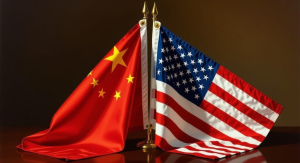
The U.S. maintains, and periodically updates, a list of critical mineral resources that are essential across sectors, including defense. Their essential nature is expected to lead “to increased demand…and supply chain vulnerabilities” over the next decade. Many of these critical minerals are mined outside the U.S. Oftentimes China dominates in their extraction, leading to concerns of future shortages.
In 2025, 60 minerals were identified on the list. The ITAD industry routinely sends many of these critical minerals outside the country for processing because of the lack of recycling capabilities and other processing capacities domestically
Creating recycling entities in the U.S. should be a priority, Taggart says. He expects that his industry “is just going to grow,” which will allow Mender “to build a hefty portion of demand on an ongoing basis.”
“We could be taking all of these resources that don’t have negative ecological impact the same way a mine does and don’t have all the political constraints that opening a mine does, and we could be leveraging those to bolster our national security,” Taggart argued.
Cobalt and Copper
Though Mender is concerned about a number of critical minerals that the U.S. should protect, Taggart specifically referenced the need to source additional cobalt and copper.
Versatile copper is “ubiquitous in aerospace and defense applications.” In January, Reuters reported that global copper requirements will double by 2040, though supplies are expected to fall short of demand by 10 million metric tons per year without changes to current mining and recycling practices.
Taggart mentioned that fulfilling this growing copper demand solely by creating new mines can lead to additional toxic copper tailings leeching into the environment. “Our industry is effective at extracting the copper” from components like circuit boards and cabling that Mender recycles.
While copper can be recycled “indefinitely,” Taggart said that removing the cobalt from components like lithium ion batteries is more difficult.
“They call it ‘black mass’ when you’re recycling lithium ion batteries,” Taggart explained. “We might be good at pulling out a few critical resources…but there’s all this other stuff that doesn’t ultimately get recycled” and is often sent to hazardous waste disposal sites.
Cobalt needs are expected to increase fourfold between 2020 and 2030, but the U.S. Cobalt Institute says that there is no domestic capability to refine cobalt
Today, cobalt mining is particularly dominated by Chinese firms. More than 80 percent of the world’s cobalt is produced in the Democratic Republic of the Congo. China is in control of 80 percent of cobalt produced in the DRC and owns half of the largest ten mines in the country. About 25,000 children are estimated to be employed in DRC cobalt mines.
Taggart explained that “there are well-documented concerns regarding labor conditions, environmental enforcement, and supply chain concentration in parts of the cobalt value chain, including the role of state-linked or dominant firms.”
The Defense Department considers cobalt critical for military technology, including for high-capacity batteries, munitions, and “high-temperature aerospace alloys.” The DOD believes that China’s dominance in cobalt mining has implications for U.S national security.
Revamping recycling – and focusing on conservation
Taggart calls for the government to use subsidies and grants and for investors to support the onshoring of refining and processing in the U.S. “so that the same resources that we’ve already patriated aren’t going back out again.”
For Mender, the mission to keep assets inside the U.S. extends beyond recycling. Taggart said that the company also reinvests five percent of its profits into wildlife and land conservation efforts.
“We have this theory that we as humankind are no longer in touch with the earth that we live on, because we no longer rely on it very directly in order to survive,” Taggart said. By getting clients and employees engaged in the mission to connect with the planet, Taggart explained that “we build that connection so that we are all making better decisions and enlightened decisions about how what we’re doing on a daily basis impacts the planet that we live on.”
At a time when the U.S. must strengthen supply chains without increasing environmental or geopolitical risk, domestic critical-mineral recycling offers a clear path forward. The materials essential to defense and advanced manufacturing already exist inside discarded electronics, yet exporting them for processing creates avoidable vulnerabilities. Investing in domestic recycling and refining would turn waste into resilience, reduce reliance on adversarial supply chains, and strengthen national security using resources already at hand.