
More than five years after the U.S. withdrawal from Afghanistan, our Afghan allies overseas and at home continue to face startling uncertainty about their futures. SOAA stands behind a timely effort to bring temporary reprieve: the Afghanistan TPS Act of 2026 (H.R. 9899, S. 5308), sponsored by former U.S. Army Ranger and paratrooper Rep. Jason Crow (D-CO) and Representatives Sam Liccardo (D-CA), Maria Salazar (R-FL), Don Bacon (R-NE), and William Keating (D-MA).
The Afghanistan TPS Act of 2026 would restore temporary protected status (TPS) to over 8,000 Afghans who relied on it as protection against deportation while they pursued permanent status inside the U.S. Among these Afghans are Special Immigrant Visa (SIV) applicants who performed valuable service to the U.S. during two decades of war but who have not been able to receive SIVs because of bureaucratic processing delays and an 11-month pause in issuance. They also include a number of Afghans who served shoulder-to-shoulder with American special operations forces (SOF) in the Afghan National Army Special Operations Command (ANASOC), who are not eligible for SIV because their employment was on behalf of the Afghan government, not the U.S.
On Nov. 9, Rep. Crow filed a discharge petition to bring the Afghanistan TPS Act of 2026 to a vote on the House floor. The petition stands at 143 of the 218 signatures needed to move forward.
Domestically at Risk
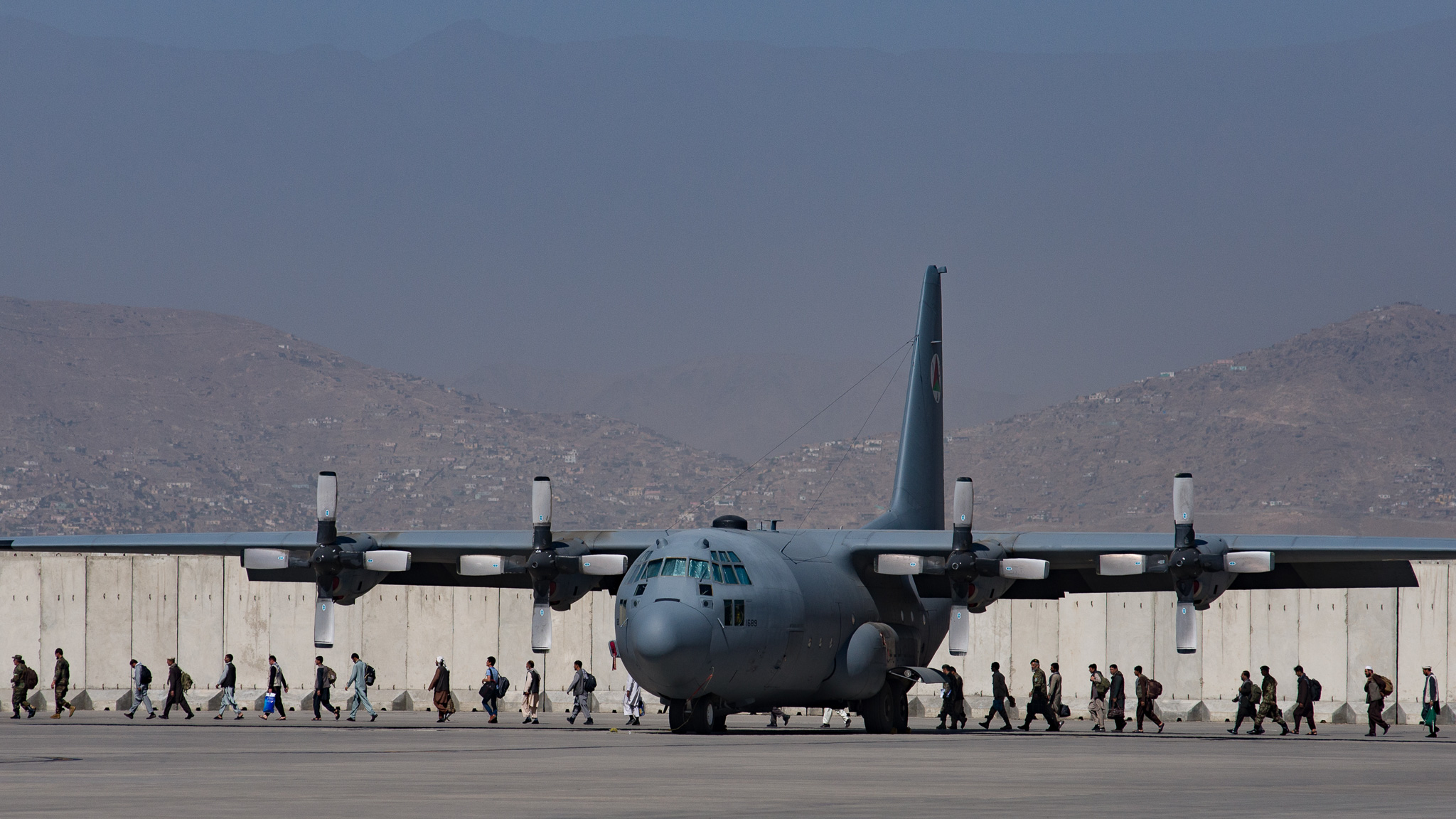
In the months surrounding August 2021, 74,000 Afghans were airlifted to the U.S. during Operation Allies Welcome because their ties with the former Afghan government or the NATO alliance would put them at risk of Taliban reprisal.
New arrivals were granted two years of humanitarian parole (HP) while they sought permanent presence through other means. The Biden administration designated Afghanistan for TPS in May 2022 in recognition that they faced peril if returned to the Taliban’s Afghanistan, where a reprisal campaign against the regime’s enemies was underway. Afghans had to submit themselves for additional vetting to receive the protection.
Afghans who arrived after the U.S. withdrawal from Afghanistan received a two-year extension of their humanitarian parole in 2023. Many utilized TPS as an alternative form of protection against deportation as they awaited legal status from other sources, especially asylum or special immigrant visas (SIVs). Currently, the immigration court backlog exceeds 3,000,000 cases, with over 2,250,000 awaiting the outcome of asylum proceedings.
In May 2025, the Trump administration announced it would terminate TPS, effective July 2025, citing an improved security situation and stabilized economy in the country. The administration also declined to further extend humanitarian parole when the prior term ran out in fall 2025.
Crow recognizes that TPS is warranted because conditions inside Afghanistan remain “extremely dangerous.” Nearly a third of Afghanistan is facing a nutrition crisis, and six million Afghans have been returned to their homeland since 2023. Afghan allies, particularly those in the ANASOC community, also continue to face reprisal killings.
Without TPS, Afghans who do not hold Green Cards or other forms of status now live in great fear of being removed to their homeland. Some Afghans in the immigration court system have already been deported to third countries in the past several months.
For Afghans in the U.S. who are awaiting an SIV, and accompanying Green Card, after providing at least a year of faithful and valuable service to the U.S., the lack of TPS or renewed parole and the continued SIV issuance pause have been particularly painful.
Nonprofit organization No One Left Behind has strongly advocated for the resumption of SIV issuance for our allies. A recent bipartisan survey they commissioned through Hart Research and North Star Opinion Research likewise shows that most Americans support the continuation of the SIV program.
NOLB Findings
NOLB’s survey found through its polling that 77% of voters and 84% of veterans supported the SIV program after learning what it entails. Most of these respondents, both veterans (70%) and voters (68%), are in favor of reopening the SIV program. Only 20% of respondents were not supportive of reopening the SIV program.
Respondents were not uniformly supportive of immigration, however. Only 20% of voters who responded and 19% of veteran respondents believed the U.S. should increase the number of immigrants it allows into the country, while a little over half of all voters surveyed (54%) and veterans (55%) believe that immigration is more helpful to the U.S. than it is harmful.
The reason that respondents seem to feel so strongly about the SIV program comes down to the wartime service our Afghan SIV allies provided. Large numbers of veteran (87%) and voter (81%) respondents believed that the U.S. should provide a pathway to those who were trained with or served beside U.S. military personnel. The numbers increased to 89% of veterans and 81% of voters when respondents were asked if they supported a pathway for Afghans who worked for the U.S. military or government during armed conflict.
Finally, NOLB’s survey finds that if members of Congress voted to reopen the SIV program, 59% of voters and 62% of veterans would view them more favorably.
Moving Forward
More than five years have passed since the U.S. withdrawal saw our allies’ lives plunged into chaos. NOLB Executive Director and Afghanistan veteran Andrew Sullivan told SOAA that “a country’s word contributes to its security.”
Sullivan emphasized that “for 20 years, we asked Afghans to take risks on America’s behalf in exchange for a promise, and this survey shows the American people still believe that promise is worth keeping. Whether we honor the promise determines whether our troops have the local partners they need next time. For Afghan allies impacted by the SIV issuance pause, TPS is an important opportunity to come forward and be re-vetted in order to live and work in the United States without fear of removal to Taliban-controlled Afghanistan.”