
SOAA fully supports the bipartisan letter from Representatives Yassamin Ansari (D-AZ) and Don Bacon (R-NE), and 19 supporting congressional offices to request information about the status of our Afghan allies at Qatar’s Camp As Sayliyah (CAS) from Secretary of State Marco Rubio and Secretary of Homeland Security Markwayne Mullin. A coalition of nonprofit and/or veteran service organizations, including No One Left Behind, Iraq and Afghanistan Veterans of America, With Honor, and the Association of Wartime Allies, likewise seek information about support to our allies.
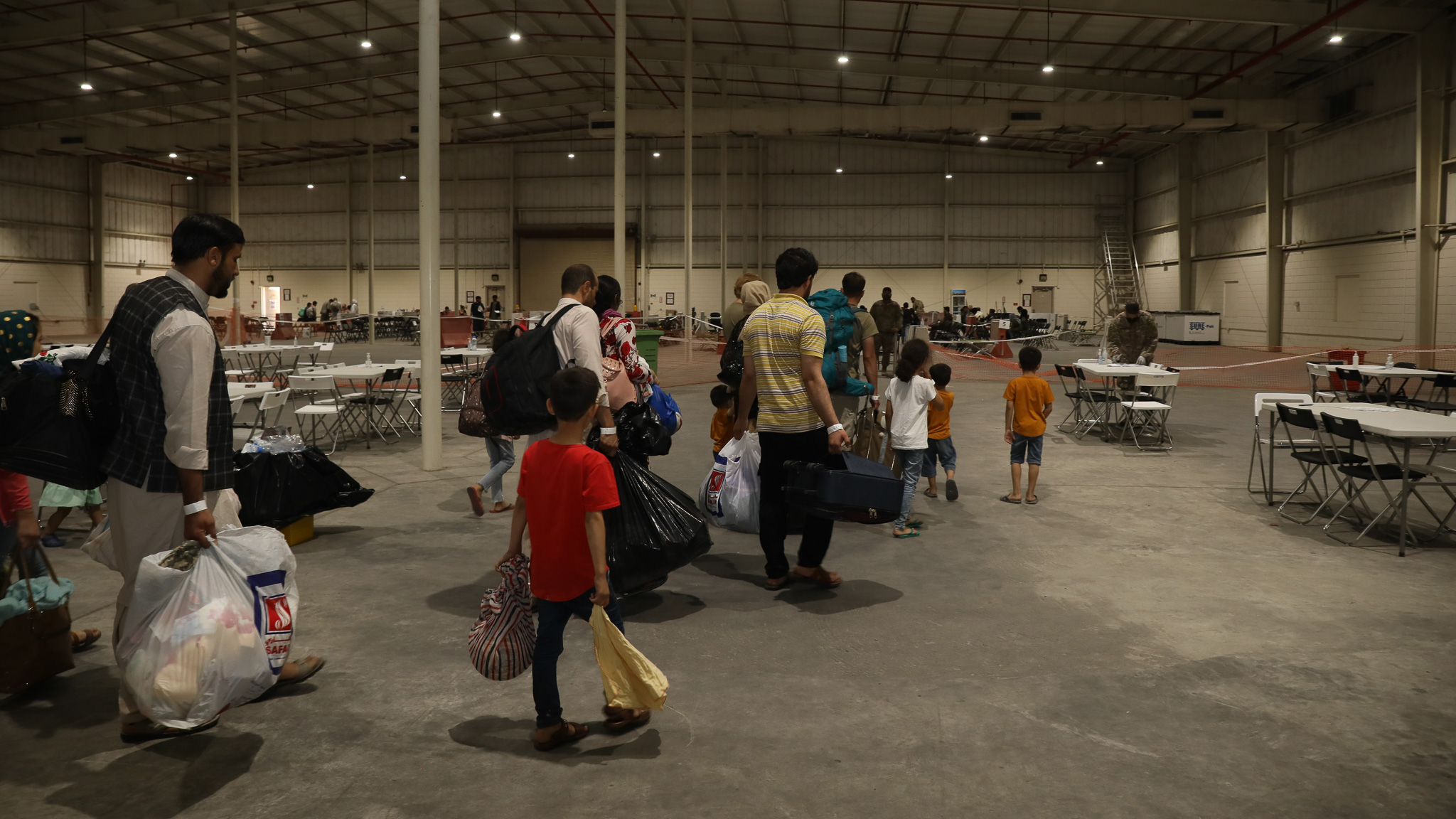
CAS is a U.S. base in Doha where Afghan allies with referrals to the U.S. Refugee Admissions Program (USRAP) and accepted Special Immigrant Visa (SIV) cases who have gone through multiple phases of vetting were meant to be interviewed and cleared for travel before being flown onward to the U.S. for resettlement.
After USRAP processing was suspended by executive order on Jan. 20, 2025, CAS has become an uncertain home for over 1,000 Afghans. Around 150 residents are the family members of U.S. service members and veterans.
SOAA is concerned about the status of residents at CAS. About 72% are women and children. It is unclear what level of healthcare, maternal care, and education these most vulnerable allies are receiving. We are requesting a full assessment of the maternal and OB-GYN care available for pregnant women at the base and the pediatric care available for children. We also request an evaluation of the resources available to children for education and development because a standardized learning environment and access to recreation are essential for the children of our allies to thrive and prepare to integrate into American society.
Confusion at Camp As Sayliyah
Over the course of 2026, CAS residents have received contradictory guidance about their future.
Conflict with Iran led to significant disruption in camp life because the Qatar facility was in the line of fire from Iranian attacks. One CAS residence was impacted by falling missile debris in early March 2026. At the time, residents told USA Today that most Afghans at CAS had been prescribed antidepressants. One father attributed his wife’s premature labor to stress at the camp.
The State Department had announced that it would close the camp by March 31, but the deadline passed with no guidance for residents about where they might go or what their future might hold.
In April, residents learned through the New York Times that negotiations were underway for residents to choose between relocation to the Democratic Republic of the Congo or a return to their homeland. After significant outcry, this relocation was taken off the table.
The closure date for CAS was later extended until Sept. 30. The State Department then signed a nine-month extension that will allow the camp to continue housing allies through summer 2027. However, USRAP is only authorized to process 17,500 applicants in 2027. No Afghans are included in this figure.
We recognize that the stress and strain of life in temporary quarters and the lack of assurance of their safe future in the U.S. have taken a serious toll on CAS residents. They now face the constant fear of being returned to a country where women have lost their most basic human rights, girls cannot be educated beyond the sixth grade, and the Taliban are picking off American allies in an ongoing reprisal campaign.
SOAA stands behind our allies at CAS, who have waited for years to be processed through programs they qualify for by virtue of their service to our nation. We ask DHS and DOS for more information on how they are communicating details about the status of the USRAP and SIV program and negotiations for resettlement options to CAS residents. We request additional information on the educational and training programs available for adults at CAS to prepare them to be resettled in the U.S. We must fulfill the promises we have made to our wartime allies. Their safety depends on it, and so does the security of our warfighters who will need partners in future conflict.
SOAA continues to support resettlement efforts for our Afghan allies. Donate now to help us give back to our wartime partners.