
PTSD does not recognize borders, uniforms, or politics. A truth of special operations is that people matter more than hardware, and that we can learn something from anyone who has carried the weight of combat. This piece shares one international partner’s experience returning home—not to judge the mission, but to understand the human cost of war. By studying how others process trauma and healing, we may better understand ourselves, and in doing so, strengthen how we support the recovery and resilience of U.S. Special Operations forces.
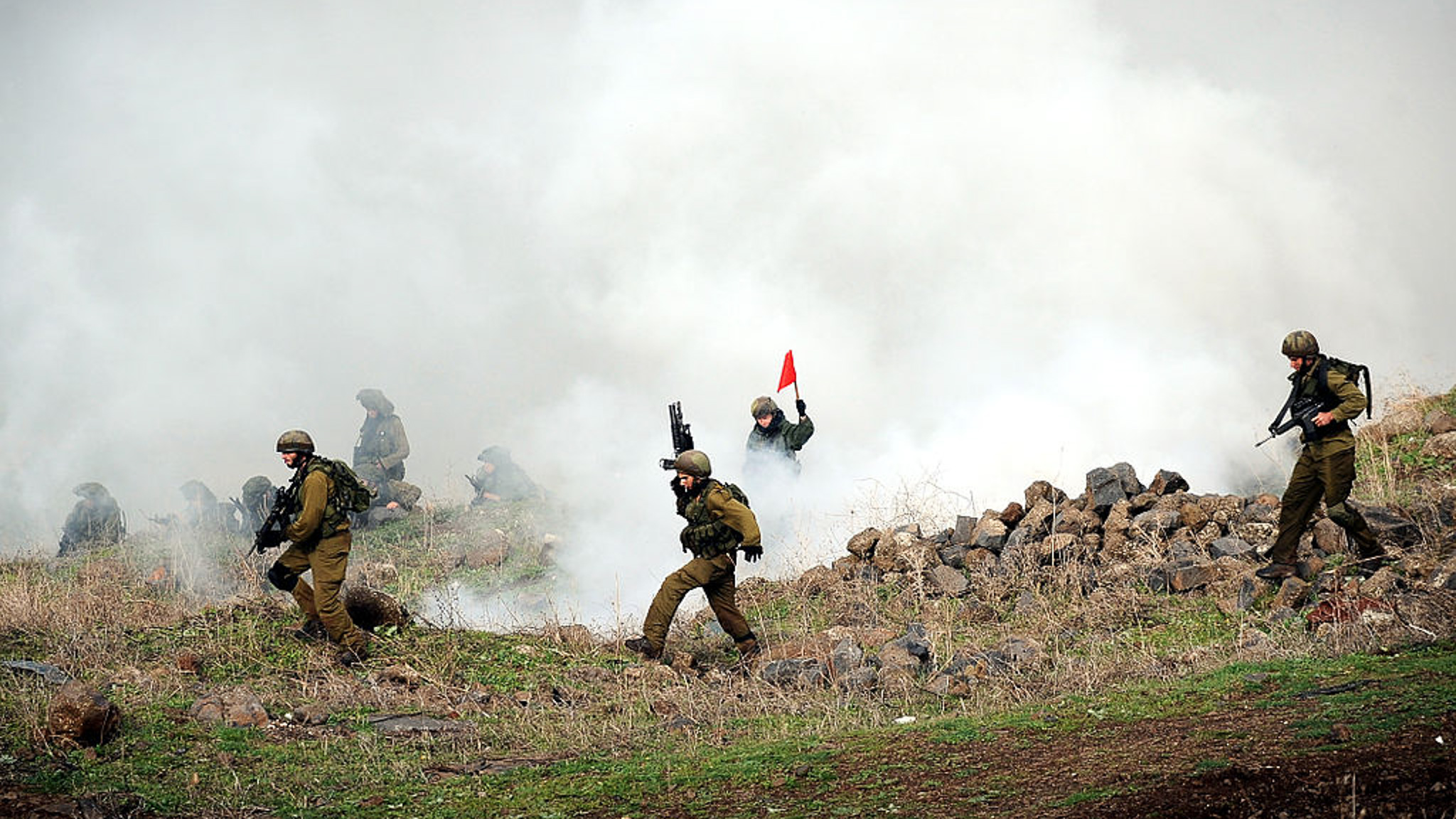
He had served for nearly twenty years in the Israeli Defense Forces. He was a combat veteran who had seen almost every battlefield and commanded others through them. In his unit, people said he was the soldier you wanted by your side when everything falls apart. When things started to go wrong, he was the calm in the storm.
Years later, at his brother’s wedding, he felt a small return of something he feared he had lost, a sense of joy and belonging. There was music, dancing, and laughter. The kind of night that reminds you that life is bigger than anything else. Even war.
After the celebration, the family walked outside with the newly married couple. Suddenly, a high, sharp whistling sound cut through the air. A sound no one else recognized. But he did.
Before anyone could react, he threw himself over the happy couple, shouting: “Take cover! Mortars!” His heart pounded. His body prepared for impact. In his mind, the attack was already unfolding.
This was not Gaza or South Lebanon. They were in the center of Tel Aviv. His body did not know the difference.
The sound came from a car accident on the nearby highway. Nothing more.
It took minutes before people around him understood. Once fear faded, something heavier settled in. Shame. Embarrassment. Confusion. The realization that his body was still fighting a war his mind knew had ended.
For him, the war was not over. It had simply moved locations.
In restaurants, he always chose to sit facing the door. His eyes scanned without thinking. Sudden noises made his pulse spike. Crowded rooms felt threatening. A slammed drawer, a burning smell, a song at the wrong moment caused his body to react before he had time to think. For years he was trained to react like this, until it became automatic. Instinct.
Then came the harder part: the loss of intensity. War brings not only danger, but also clarity, responsibility and purpose. Civilian life felt flat. Slow. Distant. He loved his family, yet he felt apart from them. They lived normal days. He lived days that could not be explained.
Post-traumatic stress disorder (PTSD) is a medical condition that affects the mind like a brain injury, but it is also relational. It shapes how someone experiences a social situation, enters a room, speaks, touches, and even sleeps. And it often does so silently. We are trained not to complain, but to conquer. That’s precisely what he was trying to do in his home, far away from the front lines.
PTSD is not what we see in films. It rarely announces itself. Instead, the body and mind simply continue to live in danger long after danger is gone. The eyes may know home is safe, but the mind and nervous system refuse to let it in.
On the battlefield, hyper-awareness keeps you alive. Reading sounds, shadows, and tension in the air equal survival. At home, those same instincts have nowhere to go.
Support Systems and the Homefront
In recent years, due to the rising numbers of military conflicts, many countries have had to adjust the way they treat veterans coming back from war. For example, the State of Israel has begun to shift from expecting soldiers to adjust on their own, to recognizing that returning home requires professional guidance.
On October 7, 2023, the horrific attacks on military bases and civilians took a massive toll because terrorists broadcast the attacks to the world on the internet, which brought the horrors of the front lines to millions far-removed from the battle space. A new policy had to be implemented, and fast. One of the most meaningful changes has been the introduction of processing days between combat rotations and tours. Instead of sending soldiers home the moment the mission ends, each unit spends several days together in a quieter environment. The teams rest, speak, and share, finally beginning to place words to what they experienced. Commanders, mental health professionals, and sometimes veteran facilitators help create a safe space where emotions are not dismissed or buried but acknowledged.
These engagements do not cure trauma, but they slow its hardening. They signal that what soldiers carry is real and their experiences are shared. They are a beginning.
Civil organizations have also stepped into crucial roles. Leading NGOs such as Natal, Beshvil Hamacher, and Brothers for Life provide psychological care and long-term counseling. These organizations take veterans on multi-day journeys, known as “healing delegations,” in nature, often abroad, where walking, silence, and slow conversation allow memories to surface without pressure. Some pair veterans with other veterans who have similar injuries and who understand the physical and emotional cost of combat without having to explain it in words. Across the board, the core message is consistent: healing happens in community, not alone.
Yet even with this support, the most significant challenge often appears where no one is watching: at home.
Families wait with love, relief, and a sense of pride. They want to help. They want to understand. However, they cannot see the internal battle that continues long after the uniform is taken off. A partner may sense distance and feel rejected. A child may feel confused. Suddenly, a highly involved parent may seem distant, say too little or too much. Everyone tries, but no one has been taught how to bridge the space between the battlefield and the living room.
PTSD is not only a condition affecting the soldier. It is something that touches the entire household. It lives in the pauses, the unfinished sentences, the quiet moments when someone withdraws instead of reaching out. Without substantial support, families feel they are failing. Soldiers feel they are disappointing the people they love. Both are hurting, silently, on opposite sides of the same closed door.
Supporting veterans must mean supporting the people waiting for them at home. A soldier can return to a house in a single day. Returning to a family, to trust, to presence, to self, takes time. No one should do that alone.
The moment outside the wedding hall was not a loss of control. It was the body doing what had once kept others alive. It was instinct, muscle memory, and loyalty to the people beside him. There are many stories like his. Many are invisible, even to the families living with them. Sometimes, what is unspoken is louder than the din of combat.
The first step is recognition. To see what is carried silently. To meet it with patience instead of expectation. Healing begins when we understand that this is not an individual burden. It belongs to families, communities, and all of us who send people to fight.
Only after we understand the burden they carry can we learn to welcome home a veteran when the war has followed them back.
Omri Attar, a Harvard Kennedy School graduate with experience in leadership and complex operations, works at the intersection of social innovation, public diplomacy, and community building.